Your Best Clients Are the Ones You Can't Reach by Phone
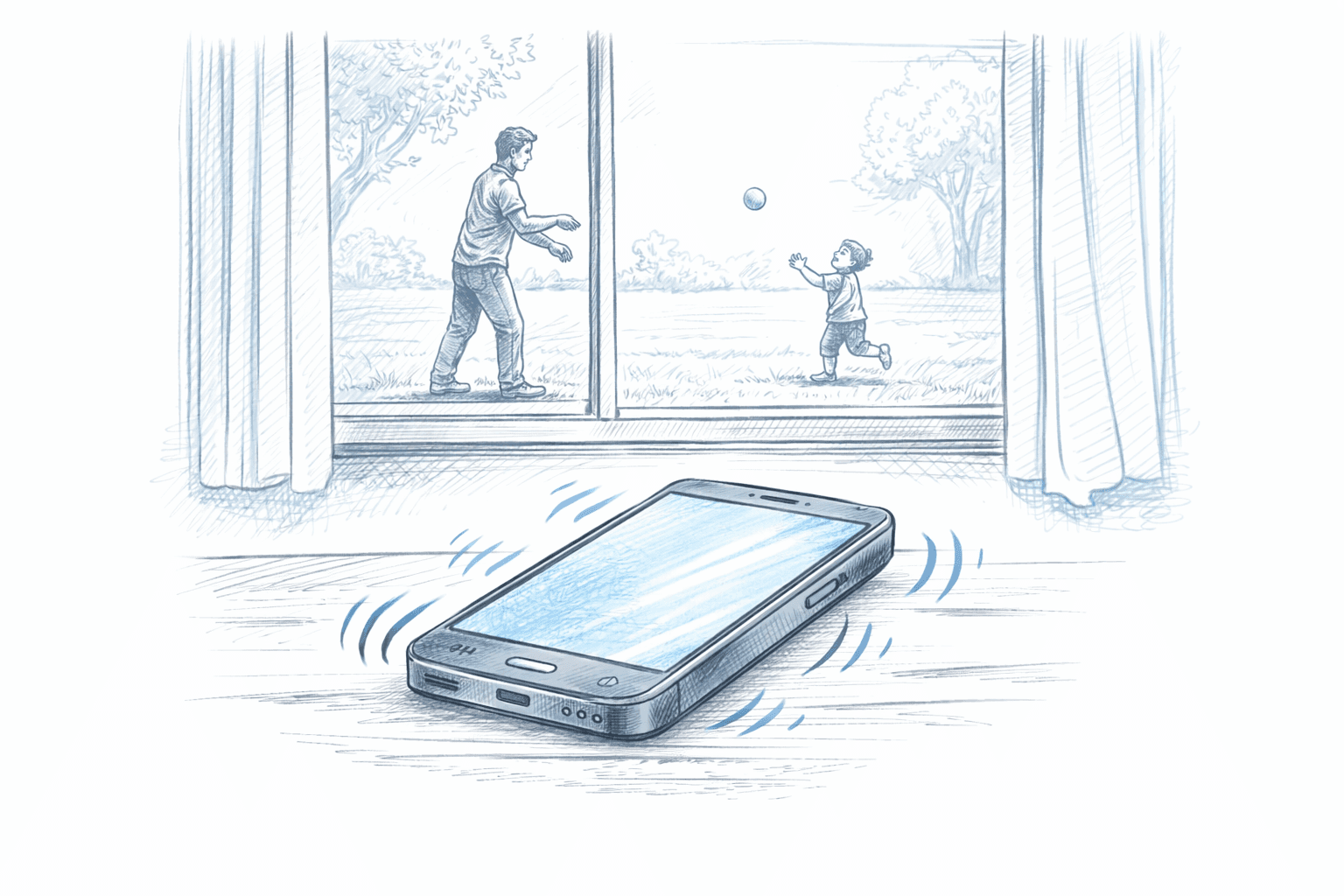
This is the reality of busy clients. They're picking up grandkids from school, getting to a physical therapy appointment, helping a neighbor with groceries, or finishing some garden work while the light's good. They still need coverage, and the coverage they need is often complicated: three specialists to keep, a drug list that has to line up, a spouse on a different plan. They're not avoiding the decision. They just have a whole life happening around it.
What they want is an agent they trust. Someone they can fire a quick text to with a question. Someone who texts back like a real person. Once they have that, they stay. That relationship is what turns a single enrollment into a client who renews year after year.
Phone-Only Loses the People Who Matter Most
The hard cases don't fit inside a single call, and a phone-only workflow turns them into phone tag. Your agent calls. Straight to voicemail. The member calls back while the agent is on another line. By the time they finally reconnect, the moment has passed, the kitchen table is covered in mail from competitors, and a member who would have been loyal for years drifts to whoever caught them at the right minute.
The agent didn't do anything wrong. The channel did. Phone calls are synchronous and life is not. Every missed connection is a round where the relationship isn't building, and on complex cases, that relationship is what decides whether the policy gets written and whether it sticks at next AEP.
What Texting Looks Like in a Real Case
Here's the same situation handled over text, between dials. The agent is on calls all afternoon. The member is out running errands. The thread might look like this:
Agent: Take your time. I'm waiting on a callback from Dr. Chen's office around 1pm to confirm she's in network. I already found her listed online but I want to double-check, I know how important she is to you.
Member: OK I'm out at the playground, I'll check my phone every 30 or 40 minutes. Just text me when you have an answer.
Agent: Hey, still working on it, should be soon. Sorry it's taking a bit, I'll text you the moment everything's confirmed.
Member: No rush, take the time you need. I really appreciate you checking.
Agent: All confirmed, she's in network. Want me to call you in the morning to walk through the plan and get you enrolled?
Member: Yes, 10am works. Thank you for being so kind.
Nothing dramatic happened. That's the point. The agent kept eight conversations like this alive in parallel between live dials, the member felt cared for instead of chased, and a complex case that would have died in voicemail closed the next morning.
The real payoff is what comes after. The number the member texted at enrollment is the same number they text when their drug gets dropped from formulary, when a confusing letter arrives from CMS, when a friend asks for a referral. The agent becomes their person. That's how a book of business compounds instead of churns.
How Onyx Texting Works
Onyx texting runs from an agent’s number tied to your agency, not their personal cell. Every message is logged against the member's record, so the relationship history is always there. Consent is captured live on the call through a built-in script before any text goes out, stored with a timestamp tied back to that call. If a member ever wants out, they reply STOP and Onyx handles the opt-out automatically. Your agents stay focused on the conversation. The compliance plumbing runs underneath.
The Bottom Line
Busy seniors with complicated needs are exactly the people who reward a trusted agent with years of loyalty. Give your agents a channel that fits the gaps in someone's day, and the retention builds itself.