
Compliance by Design: How AI Helps Agencies Stay on the Right Side of Regulation
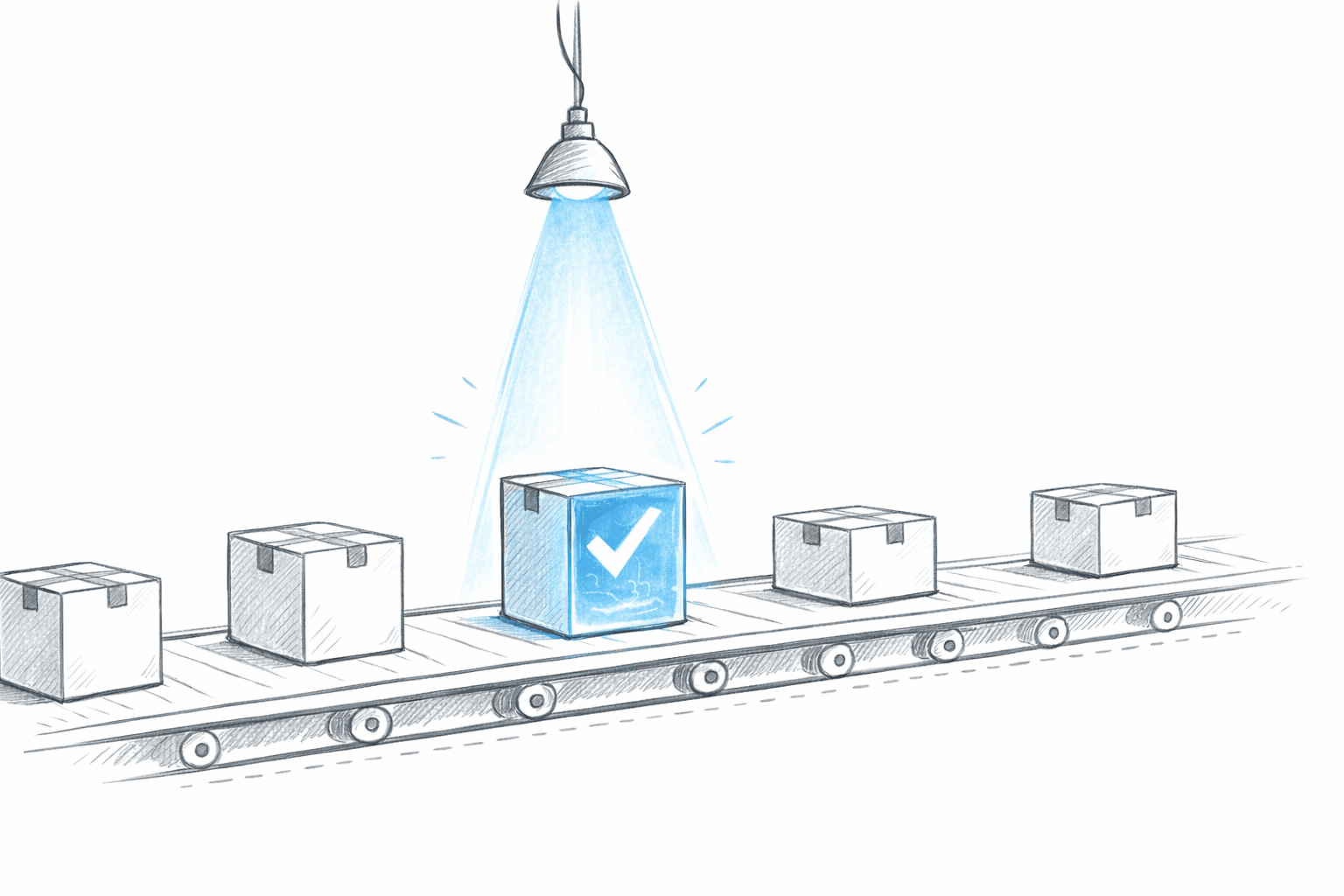
Compliance “by design” means building compliance checks into your daily call workflow. This allows you to catch issues early, document outcomes automatically, and prove what happened when a carrier or regulator asks. In this guide, you’ll learn a practical, four-step process for using AI to scale call reviews, reduce risk, and keep humans in control of final judgment.
At Onyx Platform, we’ve seen agencies improve speed and consistency by combining experienced compliance leadership with AI-assisted review. Our Compliance Suite is designed to support Compliance Officers and QA teams by automatically reviewing calls against an agency-defined scorecard, surfacing key moments with timestamps, and summarizing the evidence that supports each score—across thousands of sales calls.
Guiding principle: AI doesn’t remove judgment—it changes where you spend your time
Used well, AI doesn’t replace your compliance lead. It shifts their time from listening to hours of calls and assembling documentation to higher-value work such as:
reviewing calls flagged by AI and jumping directly to the most relevant snippets,
finding patterns across agents, campaigns, and scorecards (not just one-off misses), and
coaching the behaviors that cause repeat failures to improve compliance performance.
This shift matters most during peak volume periods, when manual review often collapses into sampling and your risk concentrates in the calls nobody had time to fully review.
The 4-step process for “compliance by design” with AI
Step 1: Define (and maintain) your compliance scorecard
Whether your reviewer is human or AI, you need structured guidelines. Most agencies already have some version of this in scripts, SOPs, carrier requirements, or regulatory guidance. Turning those requirements into a clear scorecard is what makes consistent review possible. A strong scorecard is:
unambiguous (pass/fail criteria are clear),
auditable (each item can be supported by call evidence), and
actionable (coaching and process updates naturally follow from results).
Example requirements many agencies include: stating the agent’s full name, confirming licensure in the caller’s state, and disclosing that the call is being recorded early in the conversation (timing and exact language depend on your rules).
Step 2: Automatically record and transcribe calls
Once your scorecard exists, you need reliable documentation. That typically means call recordings plus accurate transcriptions so reviewers can search, quote, and verify what occurred.
Storage and retention requirements vary by industry and carrier. In regulated programs (for example, Medicare-related sales), recordings often need to be retained for multiple years and be retrievable quickly. Onyx Platform automates recording and transcription as part of the workflow so teams aren’t stuck managing files manually.
If you’re evaluating tooling, start with the fundamentals—consistent capture, secure storage, and easy retrieval. Learn more about the platform’s capabilities on our dialer and compliance features pages.
Step 3: Have AI review, score, and cite evidence
AI review works best when it does more than output a number. The goal is to produce a score and the supporting trail: what was said, when it was said, and which scorecard item it maps to. In practice, an effective AI scoring workflow should provide:
a score against each scorecard requirement,
clear reasoning (why it passed/failed), and
timestamp-backed references so a reviewer can jump straight to the relevant moment in the call.
This approach speeds review while improving defensibility—because you’re not just claiming compliance; you’re tying it to the specific evidence in the recording and transcript.
Step 4: Review exceptions, override when needed, and coach for prevention
At Onyx Platform we believe that humans should remain in control of outcomes. Your compliance team reviews the AI results, adds notes, and applies overrides when context requires it. The real operational win is what happens next: pattern-based coaching and process changes that prevent repeat issues.
With an exception-first workflow, compliance leaders spend less time on end-to-end listening and more time on:
coaching agents on recurring misses,
updating scorecards and playbooks when requirements shift, and
responding to carrier or complaint requests with a fast, timestamped evidence packet.
Why compliance by design works for small and midsize agencies
Small and midsize agencies don’t have unlimited QA headcount—and they can’t pause production every time requirements change. When call volume spikes, manual review becomes a throughput problem: reviewers either fall behind or narrow their sampling.
An AI-powered first pass reduces the number of calls that require a full listen-through, so your compliance lead can focus on work that actually lowers risk over time.
Next step: see how it fits your workflow
If you want a concrete example of what this looks like inside a call workflow, explore our Compliance Suite. To connect compliance outcomes to operational visibility (who is failing what, in which campaign, and whether it’s improving), review our reporting and analytics.
If you’d like to map your current process to an AI-assisted review workflow (including scorecard design, recording/transcription, exception handling, and reporting), contact our team for a walkthrough: request a demo.