The Hidden Cost of 'Good Enough' Software
In many industries and at many companies, teams settle for software that’s just “good enough.”
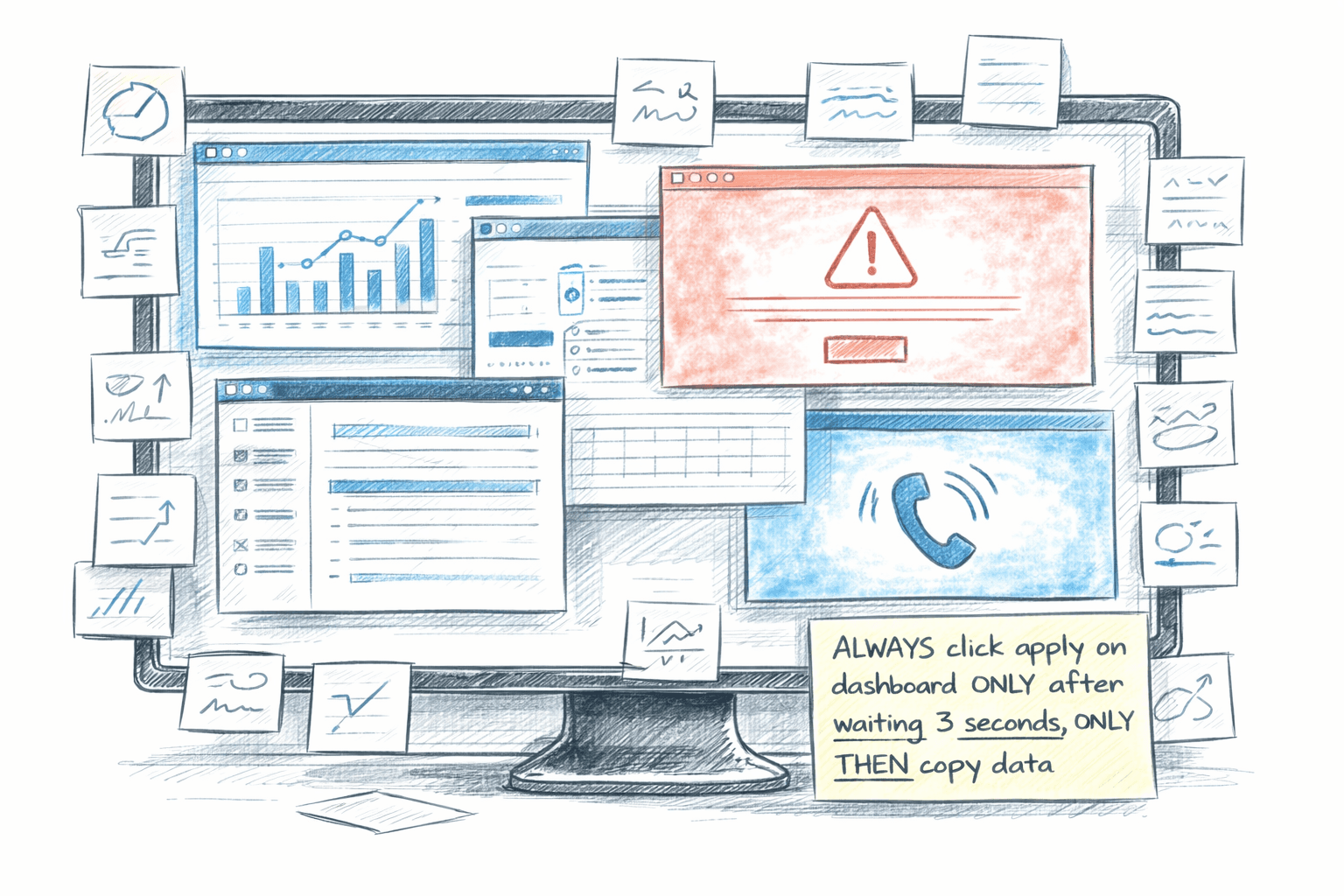
It technically works. Your team has learned how to get by. There are workarounds, slow reports, and missing features, but switching feels too risky, time-consuming, or downright painful. So you stick with it.
But “good enough” is rarely good for business.
It slows your team down, hides key insights, and introduces risks that build over time. And often, it’s hard to see the cost because it shows up as opportunity loss, not an invoice.
How to Tell If Your Software Is Just “Good Enough”
Here are a few questions leaders should ask:
How much manual work is my team doing that should be automated? If you're still chasing statuses, reconciling commissions or payroll by hand, or needing to export reports to Excel, that is often a bad sign.
Can I see what's happening in my business today? Real-time visibility is essential. If you are relying on stale data or delayed reports, you're at a disadvantage.
Is my tech stack helping me scale, or am I scaling despite it? As your business grows, your systems should reduce complexity, not multiply it.
If you answered yes to any of these questions, your software might be costing you more than you realize.
Why It’s Worse in Insurance
In industries like insurance, these problems are magnified. You're managing multiple carriers, shifting regulatory requirements, seasonal enrollment periods, and a hybrid workforce. Small inefficiencies get amplified fast.
When systems don’t talk to each other or fail under pressure, the stakes are higher: lost revenue, compliance exposure, and damaged client trust.
So What Can You Do?
Audit your current tech stack. Map out your tools, workflows, and time spent per task. Look for duplication, friction, or systems that require historical knowledge to operate.
Quantify the cost. If two people are spending two hours a week manually handling tasks that could be automated, that’s over 200 hours a year. Multiply that across your team.
Talk to vendors early. The best time to evaluate alternatives is before you're in crisis. Look for partners who are transparent, trustworthy, technically modern, and aligned with your business goals.
Plan the switch. Yes, switching systems takes effort. But the cost of standing still is often greater. A good vendor should offer hands-on migration support, data integrity safeguards, and training that accelerates adoption.
At Onyx Platform, we're technologists first, and we believe infrastructure, technology and data should power your business, not slow it down. If your current tools are just "good enough," take a closer look. What’s the cost of accepting the status quo? Could you grow your business better and faster by upgrading your tech stack?