
How Call Routing Works
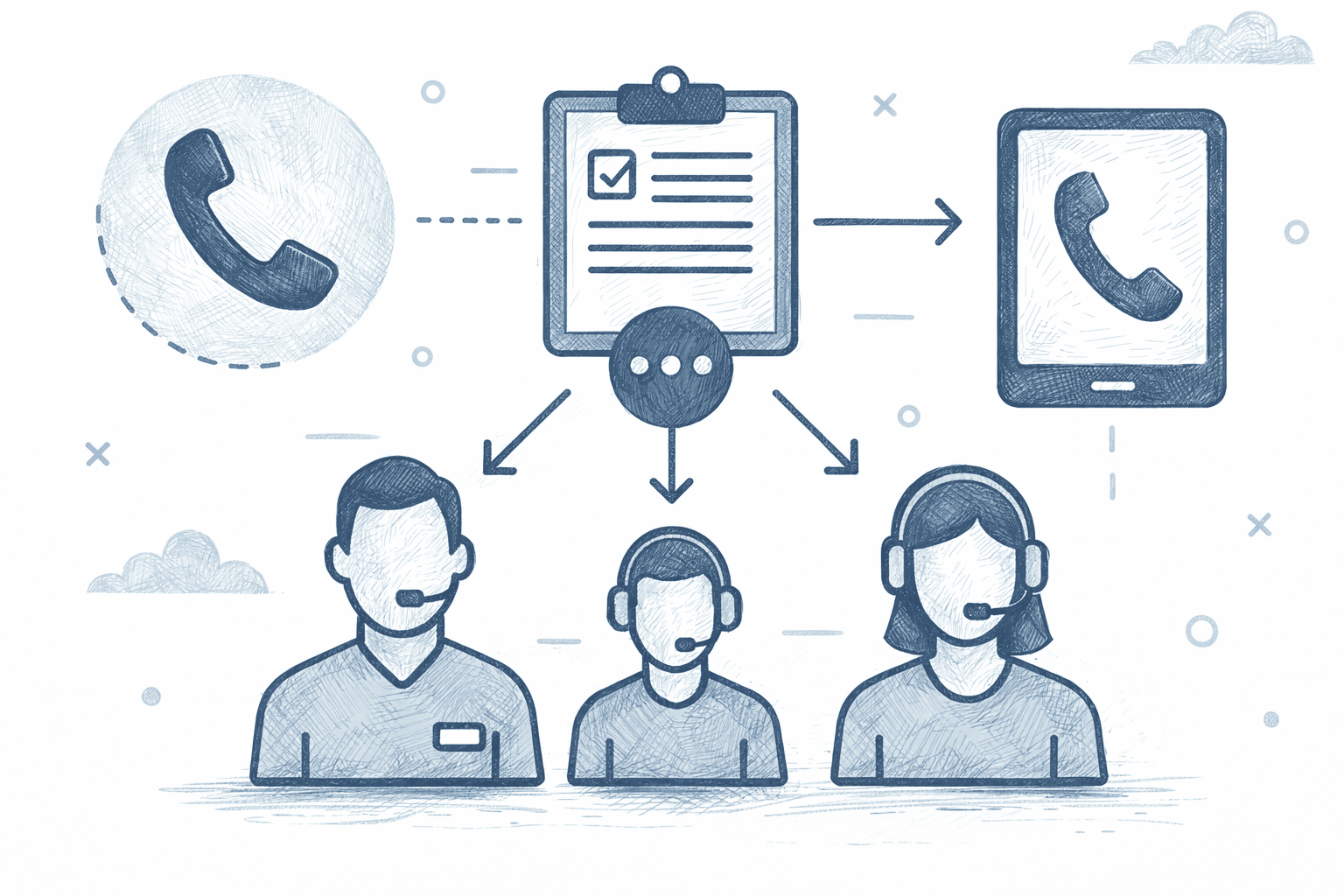
When a potential client calls your agency, what happens next? Are they instantly connected to the right agent? Or do they bounce between voicemails, hold queues, and wrong extensions? Does your system make sure an agent is on the line, or does it connect calls to an agent who isn't actually available or qualified to take them?
In the world of insurance — where timing, trust, and responsiveness are everything — how your calls are routed can make or break the customer experience.
Here’s a simple breakdown of what call routing is, how it works, and how to design it for your agency’s success.
What Is Call Routing?
Call routing is the process of directing incoming calls to the right person or team based on specific rules. These rules can be based on:
Time of day
Caller location (area code or zip)
Lead source or campaign
Agent availability
Agent attributes
Client history or policy type
Routing can be handled manually (e.g. transfer to carrier customer service) or automatically via software (through IVRs, queues, and logic-based rules).
Why Call Routing Matters in Insurance
For agencies, calls are more than conversations. They’re potential revenue. Routing impacts:
Speed-to-lead: Reaching a new prospect within seconds boosts close rates
Compliance: Ensuring calls are handled by licensed, state-appropriate agents
Customer service: Returning clients want continuity, not a cold transfer
Efficiency: Reduces agent idle time and dropped calls
Poor call routing leads to missed sales, frustrated clients, and wasted marketing dollars.
Types of Call Routing
Round-Robin Routing distributes calls evenly across a group of agents. It's good for fairness, but doesn't account for varying agent skills.
Skills-Based Routing sends calls to agents with specific expertise or licenses (e.g. Medicare vs. life). It results in a better customer match, but requires setup of agent skill tags and logic (or a system that automates it for you).
State-Based Routing routes based on a caller’s area code or zip, matching to licensed agents. It is essential for compliance, but needs accurate lead or caller location data to work well.
Sticky Agent Routing means that if a client has spoken with someone before, they’re routed back to that agent. It builds trust and improves retention, but can lead to bottlenecks if that agent is unavailable.
What to Look for in a Call Routing Solution
Whether you're building a call center or supporting a few remote agents, your routing system should:
Be easy to customize without coding
Integrate with your CRM
Allow real-time visibility into who’s answering calls and how quickly
Support fallback rules when agents are offline
For those who are unfamiliar with running a call center, it's easy to assume that call routing is just a technical setting. But it’s actually a strategic decision that impacts revenue, compliance, and customer experience. For insurance agencies navigating growth, complexity, and regulation, a smart routing setup can make the difference between chaos and clarity on the phones.